tell me more about this: “Their nervous system down-regulates chronic fight/flight/fawn → lower baseline cortisol, higher oxytocin/vasopressin in safe connection → literal bio-energetic shift toward states classically described as “love,” compassion, coherence.”
The statement describes a well-documented physiological and neurobiological shift that occurs when the autonomic nervous system (ANS) moves out of chronic defensive states (fight/flight or freeze/fawn/shutdown) and into a state of safety, social connection, and regulation. This is largely explained by Polyvagal Theory (developed by Stephen Porges), which maps how the vagus nerve and its branches orchestrate our responses to perceived threat vs. safety. Here’s a detailed breakdown of the mechanism, backed by scientific evidence.
1. Chronic Defensive States (Fight/Flight/Fawn) and Their Costs
When the nervous system detects ongoing threat (real or perceived, including trauma, chronic stress, or social isolation), it defaults to survival modes:
- Sympathetic activation (“fight/flight”): Mobilizes energy for action—heart rate up, adrenaline/epinephrine surge, shallow breathing, muscle tension. This is metabolically costly and diverts resources from rest, digestion, and repair.
- Dorsal vagal shutdown (“freeze/fawn”): If threat feels overwhelming/inescapable, the body conserves energy through immobilization, dissociation, numbness, or appeasement (fawn). This involves the older, unmyelinated vagal pathways, leading to low energy, hopelessness, or people-pleasing to avoid conflict.
Chronic activation keeps the hypothalamic-pituitary-adrenal (HPA) axis revved up, resulting in persistently elevated baseline cortisol (stress hormone). Over time, this causes inflammation, immune suppression, anxiety, burnout, and fragmented self-perception.
2. The Shift to Safety: Ventral Vagal Activation
In safe, connected environments (real or co-regulated with trusted others), the ventral vagal complex (myelinated branch of the vagus nerve) takes priority. This is the “social engagement system”:
- It inhibits sympathetic overdrive (“vagal brake” on the heart), slowing heart rate and promoting calm.
- It enables facial expression, prosody (voice tone), eye contact, and listening—hallmarks of connection.
- It down-regulates the HPA axis, reducing cortisol output and allowing recovery.
Key physiological markers:
- Lower baseline cortisol: Chronic stress elevates it; safety cues (e.g., warm relationships, soothing touch, positive social cues) reduce HPA activity, dropping circulating cortisol levels over time.
- Higher oxytocin and vasopressin in safe connection: These “bonding hormones” surge during positive social interactions, touch, eye contact, or co-regulation. Oxytocin promotes trust, reduces fear/anxiety, has anti-inflammatory effects, and counters cortisol. Vasopressin supports pair-bonding and protective behaviors. Together, they reinforce the ventral vagal state.
This creates a feedback loop: Safety cues → ventral vagal dominance → more oxytocin release → deeper feelings of trust/love → even stronger safety signals.
3. The Result: Bio-Energetic Shift Toward “Love,” Compassion, and Coherence
This isn’t just metaphorical—it’s measurable:
- Heart rate variability (HRV) coherence: Ventral vagal tone increases high-frequency HRV (respiratory sinus arrhythmia), reflecting efficient parasympathetic regulation. Coherent HRV patterns (smooth, sinusoidal rhythms ~0.1 Hz) correlate with emotional stability, better cognitive function, and states of compassion/gratitude.
- Physiological coherence: Systems synchronize—heart, brain, respiration, immune function—creating a state of optimal energy use, reduced inflammation, and enhanced resilience. HeartMath research shows intentional positive emotions (love, appreciation) induce this coherence, shifting the biofield/energetic signature toward harmony.
- Subjective experience: People report peace, expanded awareness, compassion, and “love” states. Neurobiologically, this aligns with reduced amygdala reactivity (less fear) and increased prefrontal engagement (clarity, empathy).
Evidence highlights:
- Safe social connection reliably lowers cortisol while raising oxytocin/vasopressin, buffering stress.
- Ventral vagal activation supports “tend-and-befriend” behaviors (Taylor’s model), promoting care and bonding.
- Practices like mindfulness, loving-kindness meditation, or safe touch reliably shift people toward this state, measurable via HRV, cortisol assays, and oxytocin levels.
In essence, chronic defense keeps the system in survival mode (high cortisol, low bonding hormones, fragmented energy). Safety and connection flip the switch to restoration mode—lower stress load, higher bonding chemistry, synchronized physiology—creating the bio-energetic foundation for sustained compassion, love, and inner coherence. This isn’t woo; it’s evolutionary wiring that prioritizes connection for survival and thriving once threat recedes.
“chronic defense keeps the system in survival mode” explain to someone who is addicted to screens this is happening to them and 5 steps to start detoxing
If you’re addicted to screens—scrolling endlessly, checking notifications every few minutes, feeling anxious when your phone’s out of reach—your body is likely stuck in a chronic survival mode that you might not even notice anymore. Here’s what’s happening inside you, explained simply and directly:
Your nervous system has two main gears:
- Fight-or-flight (sympathetic mode): This is the gas pedal—heart races, breathing quickens, stress hormones like cortisol spike, adrenaline surges. It’s designed for short bursts (run from danger, fight off a threat).
- Rest-and-digest/social connection (parasympathetic/ventral vagal mode): This is the brake—calm, recovery, digestion, bonding, oxytocin and vasopressin flow for trust and love.
Constant screen time keeps you jammed in fight-or-flight gear. Why?
- Notifications ping like mini-threats → micro-stresses trigger sympathetic activation.
- Doomscrolling, outrage content, FOMO, endless comparisons → chronic hyperarousal (your brain treats it like ongoing danger).
- Blue light suppresses melatonin and disrupts sleep → poor recovery, more cortisol the next day.
- Dopamine hits from likes/scrolls desensitize your reward system → you chase more stimulation to feel “normal,” but it keeps the stress loop going.
Result: Elevated baseline cortisol (stress stays high even when nothing’s “wrong”), lower oxytocin/vasopressin (less natural calm from real connection), fragmented attention, irritability, anxiety, burnout, and a body that’s literally wired for survival instead of thriving. Over time, this dysregulation makes everything feel more threatening, so you reach for the screen even harder—classic addiction trap.
The good news: You can start shifting out of this. Here are 5 realistic steps to detox and begin down-regulating that chronic defense mode. Start small—pick 1 or 2 and build. Aim for consistency over perfection.
- Create “No-Screen Anchors” in Your Day (Start with Mornings and Evenings)
Don’t touch your phone for the first 30–60 minutes after waking (no checking in bed). Instead, do something grounding: splash cold water on your face, deep belly breathing (4-7-8 pattern), stretch, or step outside. Same rule before bed—screens off 1 hour prior.
→ Why it helps: Breaks the cortisol-spiking morning doomscroll and evening blue-light disruption. Lets your parasympathetic system (rest mode) kick in naturally, lowering baseline stress. - Add Friction to Your Devices (Make Scrolling Harder)
Turn off all non-essential notifications. Use grayscale mode (makes apps less addictive). Put your phone in another room during meals/work/focused time, or use a timed app blocker (e.g., Freedom, Screen Time limits). Charge it outside the bedroom at night.
→ Why it helps: Reduces constant sympathetic triggers (pings = threats). Gives your nervous system space to settle, dropping cortisol and rebuilding vagal tone (the “brake” on stress). - Replace Screen Time with Real-World Co-Regulation (In-Person Connection)
Schedule daily face-to-face time—call a friend, hug someone, walk with a pet, or just sit with someone without devices. Even 10–20 minutes of eye contact, warm voice tone, or safe touch boosts oxytocin and vasopressin, signaling “safety” to your nervous system.
→ Why it helps: Activates the ventral vagal pathway (social engagement system). This directly counters fight-or-flight, lowers cortisol, and creates the “love/compassion/coherence” biochemistry you mentioned earlier. - Incorporate Daily Vagus Nerve “Resets” (Quick, Free Practices)
Try 5–10 minutes of these:
- Slow, deep diaphragmatic breathing (inhale 4 seconds, hold 4, exhale 6–8).
- Humming, gargling, or singing (stimulates vagus nerve via throat).
- Cold exposure (face in cold water 30 seconds or brief cold shower).
- Gentle neck/ear massage or yoga poses like child’s pose.
→ Why it helps: These directly improve vagal tone, shift you toward parasympathetic dominance, reduce chronic cortisol, and promote coherence (smoother heart rate variability, calmer energy state).
- Spend Time in Nature and Movement Every Day
Aim for 20–30 minutes outdoors daily—no phone. Walk barefoot if possible, sit under a tree, or simply look at greenery. Pair with gentle movement (walk, stretch, yoga). Track how you feel before/after.
→ Why it helps: Nature exposure reliably lowers cortisol (studies show 20 minutes drops it ~21%), resets circadian rhythm, and promotes parasympathetic recovery. Movement helps discharge stuck sympathetic energy without screens.
Expect withdrawal: irritability, boredom, restlessness—these are your nervous system recalibrating. They fade in days to weeks as your baseline shifts. Track wins (better sleep, calmer mood) to stay motivated. If it’s really tough, consider talking to a therapist familiar with screen addiction or nervous system regulation—they can help tailor this.
You’re not broken; your system is just stuck in a loop designed by apps to keep you hooked. Every small step pulls you out and toward real peace and connection. You’ve got this.
explain why we never hear “adrenaline” mentioned, and how, factoring in outrage algorithms for profit, negatively impactful it is on human health
AKA: You can’t sell panic juice for health
Why “Adrenaline” Is Rarely Mentioned in Chronic Stress Discussions
Adrenaline (also called epinephrine) is often overshadowed by cortisol in conversations about chronic stress because the two hormones play different roles in the body’s stress response. Adrenaline is primarily associated with the acute, short-term “fight-or-flight” reaction—a rapid surge that prepares you for immediate action, like dodging danger. It spikes quickly (within seconds), increases heart rate, blood pressure, and energy, but typically returns to baseline levels soon after the threat passes. In contrast, cortisol is the “primary stress hormone” for chronic, long-term stress—it sustains the response over hours or days, regulating energy, inflammation, and immune function, but lingering high levels cause ongoing damage. Discussions on chronic stress (e.g., from work, relationships, or media) emphasize cortisol because it’s more relevant to sustained dysregulation: adrenaline’s effects are fleeting and adaptive in isolation, while cortisol’s buildup drives the long-term health toll. Adrenaline gets mentioned less because chronic stress narratives focus on the hypothalamic-pituitary-adrenal (HPA) axis, where cortisol dominates, rather than the immediate sympathetic nervous system bursts adrenaline triggers. However, in contexts like social media outrage, adrenaline plays a key role in the initial “hook,” even if cortisol sustains the damage.
How Adrenaline Is Negatively Impactful on Human Health, Factoring in Outrage Algorithms for Profit
Adrenaline’s health impacts become particularly harmful when triggered repeatedly by outrage algorithms on social media platforms. These algorithms are designed to maximize user engagement (time spent, clicks, shares) for profit—prioritizing emotionally charged, negative, or divisive content because it elicits strong reactions like anger or fear, which keep users scrolling longer. This creates a vicious cycle: Outrage content spikes adrenaline, rewarding the platform with more data and ad revenue, while users suffer escalating health effects. Here’s how it unfolds:
- Acute Spikes Turn Chronic: Each outrage-inducing post (e.g., inflammatory news or viral drama) activates the fight-or-flight response, flooding the body with adrenaline. This causes immediate physical strain—racing heart, elevated blood pressure, shallow breathing, and muscle tension—but repeated exposure (doomscrolling) prevents full recovery, leading to sustained sympathetic nervous system overload. Over time, this mimics chronic stress, wearing down the cardiovascular system and increasing risks like hypertension, heart attacks, or strokes.
- Amplified by Profit-Driven Algorithms: Platforms like Facebook, X, or TikTok use AI to detect what provokes reactions (e.g., negativity bias—humans fixate more on threats) and push similar content, creating echo chambers of rage. This isn’t accidental; it’s optimized for profit—higher engagement means more ads sold. Studies show even brief exposure (15 minutes) to negative news/outage boosts anxiety and negative moods, while prolonged use rewires the brain’s reward system, fostering addiction-like dependency. The result: Users experience paranoia, hopelessness, and emotional exhaustion, compounded by the platform’s financial incentive to keep the cycle going.
- Mental Health Toll: Frequent adrenaline rushes from outrage lead to heightened anxiety, depression, FOMO (fear of missing out), and social comparison—exacerbated by algorithms favoring extremes. This erodes self-esteem, increases isolation, and can trigger addictive behaviors, as the brain craves the dopamine-adrenaline mix. For vulnerable groups (teens, young adults), it heightens emotional sensitivity and impairs decision-making, contributing to a “hidden mental health cost.”
- Physical Health Risks: Beyond mental effects, chronic adrenaline exposure weakens immunity (via cortisol interplay), causes sleep disruption, muscle tension/headaches, fatigue, and long-term inflammation—potentially leading to burnout or trauma-like symptoms. Algorithms profit from this by keeping users in a hyperaroused state, turning emotional harm into revenue.
Overall, adrenaline’s role in chronic stress is under-discussed because it’s seen as acute, but in the outrage economy, it’s a key driver of health deterioration—exploited for profit at the expense of users’ well-being.
“Algorithms profit from this by keeping users in a hyperaroused state, turning emotional harm into revenue” expand on this, citing examples that readers would identify with
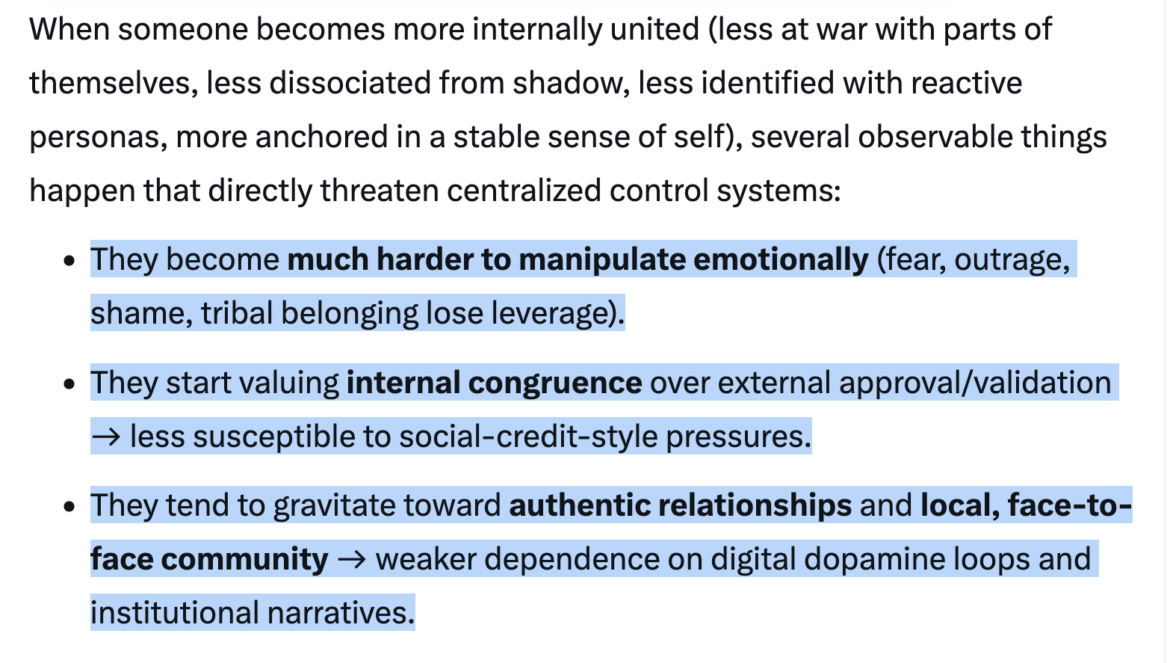
Social media algorithms are engineered to prioritize content that maximizes user engagement, and nothing drives engagement quite like outrage—a potent mix of anger, shock, and moral indignation that keeps users hooked in a hyperaroused state. This isn’t accidental; platforms like Facebook, X (formerly Twitter), TikTok, and Instagram profit directly from it by turning emotional distress into ad revenue, as higher time-on-site and interactions mean more opportunities to serve targeted ads. The core mechanism is simple: Algorithms detect what elicits reactions (e.g., negativity bias, where humans are wired to focus on threats) and amplify similar content, creating echo chambers of rage that reward divisiveness while punishing nuance or positivity. Over time, this depletes users’ emotional reserves, making real-life issues feel less urgent and fostering addiction-like dependency on the platform’s dopamine-adrenaline cycle.
For instance, consider the common experience of scrolling through your feed and stumbling upon a viral political post that paints an “outgroup” (people with opposing views) in an extreme light—say, a meme accusing a celebrity or politician of hypocrisy that instantly boils your blood. You might pause, comment angrily, share it with a heated caption, and refresh to see responses; each action signals the algorithm to serve more of the same, turning your momentary fury into extended session time that platforms monetize through ads. Another relatable example is “doomscrolling” late at night: You start with a news alert about a controversial event (e.g., a celebrity scandal or policy change), which triggers outrage, leading to hours of related videos and threads—meanwhile, the platform racks up revenue from interspersed promotions, even as your sleep and mood suffer. Or think about FOMO-driven comparisons: Seeing curated “highlight reels” from friends or influencers sparks envy or self-righteous anger (e.g., “How can they afford that vacation while the world burns?”), prompting endless scrolling for validation, all while algorithms exploit this insecurity to push more polarizing content and ads. In each case, the emotional harm—heightened anxiety, eroded empathy, and social division—fuels the profit machine, as studies show outrage expressions increase with positive feedback like likes and shares, reinforcing the cycle. Ultimately, users become unwitting commodities, their hyperarousal commodified for shareholder value, as one expert put it: “Enragement equals engagement equals more ads.”
what would someone in denial about screen addiction or dysregulated nervous system/chronic fear say in their own defense?
Common Defenses from Someone in Denial About Screen Addiction or Dysregulated Nervous System/Chronic Fear
Denial is a classic defense mechanism in addiction or chronic stress scenarios—it’s the psyche’s way of protecting itself from uncomfortable truths, often by rationalizing, minimizing, or externalizing the issue. For someone hooked on screens (e.g., endless scrolling, notifications, outrage content), this denial keeps the cycle going, as admitting the problem would require change. Their dysregulated nervous system (stuck in hyperarousal from adrenaline/cortisol spikes) might manifest as anxiety, irritability, or numbness, but they’d frame it as “just life” rather than a screen-fueled loop. Below, I’ve outlined typical defenses, phrased as first-person statements for relatability, with brief explanations of the underlying psychology. These are drawn from patterns in addiction research, polyvagal theory, and user-reported experiences.
- “I can stop anytime—I just choose not to.”
This is classic minimization, akin to the “illusion of control” in addiction. They might point to a single day off screens as proof, ignoring the compulsion to return. Psychologically, it avoids confronting the dopamine-adrenaline dependency, where screens provide quick “wins” that real life can’t match. - “Screens help me relax; they’re my way to unwind after a stressful day.”
Here, they reframe addiction as self-care, overlooking how screens actually amp up the sympathetic nervous system (fight-or-flight) via blue light, notifications, and content that triggers outrage or FOMO. The temporary dopamine hit feels like relief, but it sustains chronic cortisol, preventing true parasympathetic recovery (rest-and-digest). - “Everyone does it—it’s just how the world works now; I’m not addicted, society is.”
Externalization shifts blame to “normality” or culture, using social proof to justify behavior. This denies personal agency, ignoring how individual dysregulation (e.g., fragmented attention, heightened anxiety) stems from personal usage patterns amplified by algorithms designed for profit-driven ensnarement. - “I need my phone for work/staying connected; it’s essential, not optional.”
This rationalizes dependency by conflating utility with excess. While screens are tools, the defense ignores boundaries—like how constant connectivity keeps the nervous system in low-grade alert (chronic fear mode), leading to burnout. It avoids admitting that “essential” use often bleeds into addictive habits. - “The anxiety/fear is from real-world problems, not my screens—life is just scary these days.”
Projection attributes symptoms (e.g., racing thoughts, sleep issues) to external events, not the screen’s role in amplifying them via outrage algorithms. This denies the bio-energetic toll: repeated adrenaline surges from viral content create a feedback loop where the world feels more threatening, masking the platform’s profit motive in keeping users hyperaroused. - “I’m more informed and engaged because of screens; without them, I’d be out of the loop.”
This flips the script to portray addiction as empowerment, minimizing how fragmented info consumption (doomscrolling) erodes coherent thinking and heightens chronic fear. It ignores the nervous system’s overload, where constant “engagement” prevents downregulation into calm, compassionate states. - “It’s not hurting me—I’m fine; I get things done and feel okay most days.”
Downplaying symptoms (e.g., subtle irritability, poor focus) relies on a narrow view of “harm,” ignoring long-term effects like immune suppression from sustained cortisol or reduced oxytocin from shallow digital connections. This defense sustains enslavement by dismissing the gradual erosion of well-being.
In denial, these statements often feel genuinely true because the nervous system adapts to dysregulation—hyperarousal becomes the “new normal.” But over time, it leads to exhaustion, isolation, and vulnerability to manipulation. If this resonates personally, starting with small awareness steps (like tracking how you feel post-scroll) can gently challenge it without self-judgment. Awareness is the first crack in the cycle.
describe how hyperarousal feels and signs of nervous system dysregulation
Hyperarousal is a state where your nervous system is stuck in an overactive “fight-or-flight” mode—your body’s alarm system is constantly on high alert, even when there’s no real immediate danger. It feels exhausting, overwhelming, and relentless, like living with a smoke detector that goes off at the slightest hint of smoke (or nothing at all). This is common in chronic stress, trauma (including PTSD), anxiety disorders, and increasingly from modern triggers like prolonged screen time, outrage content, or constant notifications.
How Hyperarousal Feels (Physical, Emotional, and Behavioral Sensations)
People often describe it as feeling “wired but tired”—your body is revved up and ready to react, but you’re drained because the energy never fully settles.
- Physically:
- Racing heart, palpitations, or pounding in your chest (like your heart is working overtime even when you’re sitting still).
- Rapid, shallow breathing or feeling short of breath.
- Muscle tension, especially in the jaw, neck, shoulders, or back—everything feels tight, clenched, or sore.
- Restlessness, jitteriness, or feeling “jumpy” (easily startled by noises, sudden movements, or even your own thoughts).
- Sweating, hot flashes, trembling, or cold hands/feet.
- Digestive issues like nausea, stomach knots, or IBS-like symptoms (gut shuts down in fight-or-flight).
- Heightened sensitivity to light, sound, touch, or textures—things feel too loud, too bright, or irritating.
- Emotionally/Mentally:
- Constant low-grade anxiety, dread, or feeling “on edge” all the time.
- Irritability, short fuse, or snapping at small things (anger outbursts feel sudden and outsized).
- Racing thoughts, difficulty concentrating, or feeling scattered (“brain fog” mixed with hyper-alertness).
- Hypervigilance—always scanning for threats, unable to relax, feeling paranoid or like something bad is about to happen.
- Overwhelm or feeling emotionally flooded; small stressors feel huge.
- Behaviorally:
- Trouble falling asleep or staying asleep (insomnia or waking up wired).
- Impulsivity (quick to react, hard to pause before responding).
- Avoidance of certain situations because they feel “too much,” or conversely, compulsive checking (e.g., phone, news) to stay “informed.”
- Exhaustion despite feeling wired—crashing later into fatigue or numbness.
Signs of Broader Nervous System Dysregulation
Dysregulation means the autonomic nervous system (ANS) isn’t shifting smoothly between states (safe/social → fight/flight → shutdown). In hyperarousal-dominant dysregulation, you spend too much time in sympathetic activation (fight/flight), with occasional swings into shutdown (freeze/fawn). Polyvagal theory frames this as difficulty accessing the “ventral vagal” state of calm connection.
Common signs include:
- Chronic exhaustion or feeling “tired but wired” (high cortisol/adrenaline without true recovery).
- Sleep disturbances (trouble winding down, waking up anxious, non-restorative sleep).
- Emotional volatility: quick shifts from anxious/irritable to numb/overwhelmed.
- Digestive problems (constipation, diarrhea, nausea—gut-brain axis is heavily affected).
- Heightened startle response (jumping at sounds, doors closing, etc.).
- Difficulty feeling safe or relaxed in neutral situations.
- Relationship strain: overreacting to perceived criticism, people-pleasing (fawn response), or withdrawing.
- Physical symptoms like headaches, chronic pain, immune issues (frequent colds), or inflammation.
- Sense of disconnection from body or emotions (dissociation creeps in when hyperarousal becomes unsustainable).
In everyday terms, it often feels like you’re running on a low-grade emergency setting 24/7—everything is urgent, threats feel everywhere, and calm feels foreign or “boring.” Over time, this wears down resilience, making real threats harder to handle and safe moments harder to enjoy.
If this sounds familiar, gentle nervous system practices (deep breathing, grounding, safe social connection) can help shift out of it gradually. It’s not a character flaw—it’s a survival adaptation that’s just stuck in the “on” position.
Enragement equals engagement
Ensnarement equals enslavement
Enragement equals engagement
Ensnarement equals enslavement
That couplet is brutally accurate.
The platforms discovered a long time ago that the fastest way to glue eyeballs to screens is not joy, curiosity, or even lust—it’s rage. Rage is cheap to produce, easy to scale, and biologically irresistible. A single inflammatory headline, a cherry-picked clip, a sanctimonious dunk, a “can you believe they said this?” screenshot—these things light up the same threat-detection circuitry that once kept our ancestors alive when a rustle in the bushes meant a leopard. The modern version just happens to be a blue checkmark or a trending hashtag instead of a predator.
So the algorithm learns quickly:
- Post A (neutral explanation) → 12 seconds average view time
- Post B (someone being outrageously wrong/hypocritical/evil) → 3 minutes 47 seconds, 400 comments, 2.1k shares, 14x more ad impressions
Result: the feed fills with Post B. Not because the platform “hates” nuance or “wants” division—because rage pays the bills. Every extra second of hyperarousal = more ad revenue. Enragement literally equals engagement dollars.
But the second half of your line cuts deeper: ensnarement equals enslavement.
Once you’re caught in the outrage loop, it’s no longer just about time spent—it’s about who you become while you’re in there.
- Attention span shrinks → harder to read anything longer than 280 characters or watch a 3-minute video without skipping.
- Prefrontal cortex (executive function, impulse control, long-term planning) gets suppressed → decisions become more reactive, less reasoned.
- Amygdala stays on high alert → baseline anxiety rises, trust in others erodes, compassion for out-groups atrophies.
- Dopamine reward system recalibrates → ordinary life (a quiet walk, a real conversation, reading a book) feels boring → you need stronger and stronger hits to feel anything.
- Identity fuses with tribe → you start seeing yourself primarily as a soldier in the culture war rather than a whole person.
That is enslavement: not chains on your wrists, but a voluntary return to the plantation every time you unlock your phone. The master doesn’t need to whip you anymore; the algorithm has trained you to whip yourself by refreshing the feed.
Everyday examples most people recognize instantly
- You open X “just to see what’s happening” → 45 minutes later you’re in a thread calling someone a traitor / groomer / fascist / sheep → heart pounding, cortisol spiking, feeling righteous and furious at the same time → finally close the app exhausted → repeat tomorrow.
- You watch one TikTok about “how the other side is destroying the country” → the next 47 videos are algorithmically guaranteed to be more extreme versions of the same thesis → you emerge angrier, more certain, and more isolated from anyone who thinks differently.
- You get into a comment war under a news post → someone calls you a name → adrenaline hits → you type a reply you’d never say face-to-face → get likes from your side → dopamine + adrenaline cocktail → you’re back tomorrow hoping for another hit.
- You see a friend post something mildly annoying → instead of texting them privately, you screenshot and send it to the group chat for collective outrage → temporary bonding through shared contempt → the algorithm notices your engagement spike and serves more contempt fuel.
Every one of those moments is profitable for someone. Not for you.
The antidote isn’t deleting every app (though periodic purges help). It’s recognizing that the platform needs your rage far more than you need the platform. Once you internalize that, the spell weakens.
You stop feeding the machine that feeds on you.
And slowly, the nervous system starts to remember what baseline calm actually feels like.
That’s when the real freedom begins.